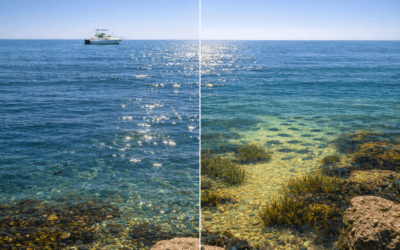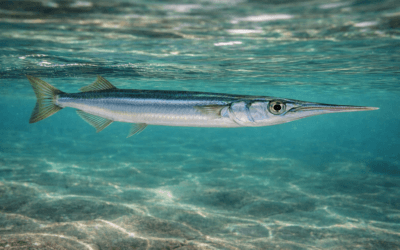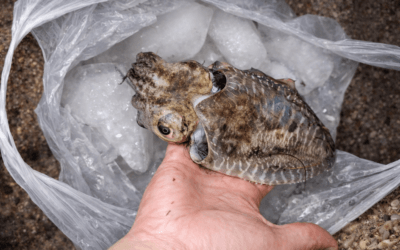
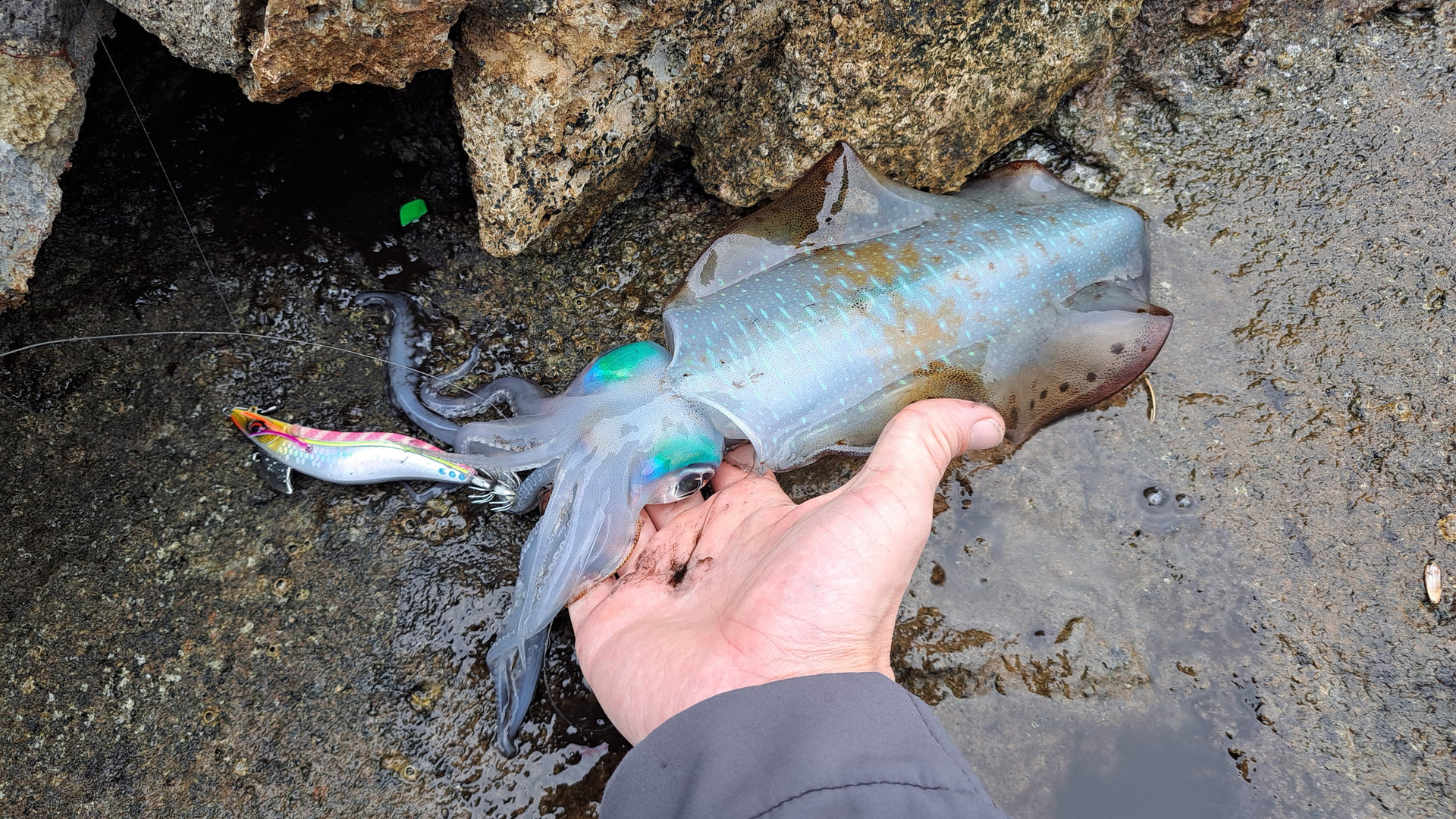
The first squid I ever hooked from shore didn’t happen under harbor lights. It was a bright afternoon, calm water, and I spotted two squid hovering mid-water along a simple harbor edge. I wasn’t even prepared for squid fishing. I just had a squid jig in the bag from a previous failed attempt and thought, why not.
I cast past them, let the squid lure sink, and gave it a small lift. One squid rushed in, grabbed the jig, and took off with it. It basically stole the bait and vanished. But it burned one lesson into me. Squid aren’t only a night thing, and when they decide to eat, it happens fast.
This guide is what I wish I had back then. I’ll walk you through the exact squid jig setup I use, how I work squid jigs step by step, and how I pick spots and timing so you can catch squid consistently from shore instead of hoping for random luck.
A Practical Overview of Squid Fishing from Shore
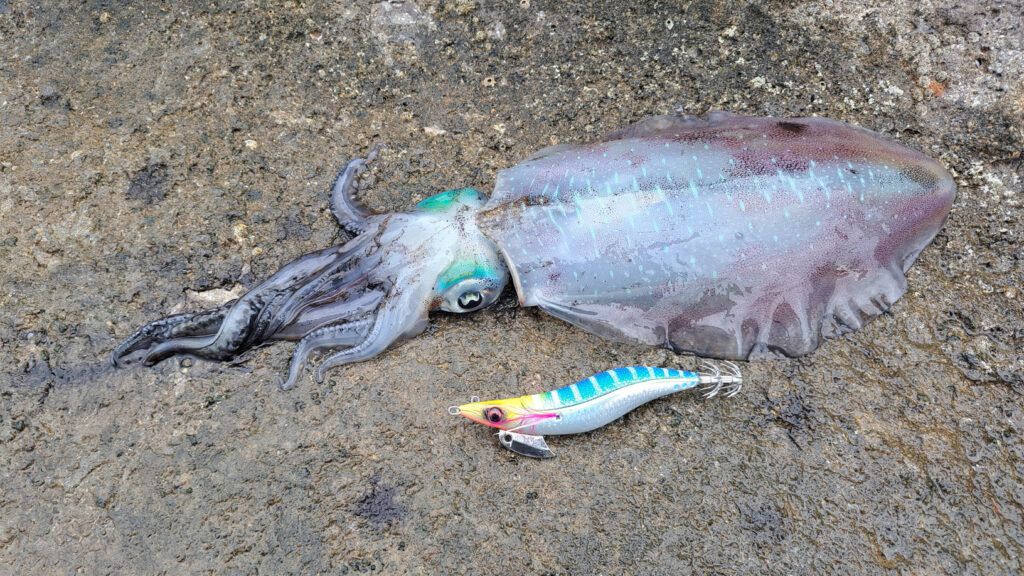
Squid fishing from shore is simple in theory and frustrating in reality. You cast a squid jig, you work it, you hope a squid comes along. But the difference between “hoping” and actually catching squid is mostly control: controlling depth, controlling speed, and controlling your nerves when nothing happens for ten minutes.
I used to fish squid like I fish seabass: covering water, changing lures, trying to trigger aggressive reactions. Squid didn’t care. What worked better was treating squid jigging like a slow, deliberate presentation in a specific zone. When I started counting sink time, pausing longer than felt reasonable, and choosing spots with the right structure and light, squid fishing stopped feeling random.
This guide is the exact approach I use now from harbor walls, breakwaters, and piers, with gear that fits and a method that doesn’t rely on perfect luck.
How to Catch Squid from Shore
I don’t randomly fish for squid anymore. Over time, I learned that squid are actually very consistent about where they want to be. They follow food, they like cover, and they prefer clear edges where they can hunt efficiently. If those elements come together, squid fishing from shore becomes predictable. If they don’t, it usually turns into a long night of casting.
How to Catch Squid in Harbors and Marinas
Harbors and marinas are still my most reliable squid fishing spots, especially at night. Vertical walls that drop straight into around 3 to 10 meters of water create perfect holding areas. Artificial lights attract plankton, which pulls in baitfish, and squid follow that chain very closely.
What matters most here is not the brightest light itself, but the transition. Squid often sit just outside the main light cone, where it’s darker but still close enough to ambush baitfish moving in and out of the glow. I focus my casts along that edge and work the squid jig slowly through it, rather than firing straight into the brightest spot.
How to Catch Squid near Piers, Breakwaters, and Man-Made Structures
Piers and breakwaters work well when they create a calm side next to deeper water. Even a small depth change, for example from 2 meters down to 6 meters, can be enough to hold squid, especially if there’s a current line pushing food along the structure.
Corners, ladders, uneven walls, and shadow lines matter more than open stretches. Squid use these features like lanes. If I’m not getting takes, I’ll often change my casting angle to run the jig parallel to the wall instead of away from it. That alone can turn a dead-looking spot into a productive one.
Bottom Types for Squid Fishing: Rocks, Sand, and Posidonia
Bottom composition plays a bigger role in squid fishing than many people think.
Rocky ground and rubble are excellent because they hold small fish and shrimp. When I fish near rocks, I’m extra careful with sink time and keep the jig just above the bottom. Squid often hover slightly off the structure rather than sitting right on it.
Sand can work, but mostly when it’s close to something else. Completely flat, empty sand rarely produces for me. Sand next to rocks, walls, or weed edges is a different story. Squid will patrol those transition zones, especially in low light.
One bottom type I actively look for is Posidonia seagrass. These meadows are full of life and often border sand or rock. Squid regularly hunt along the edges of seagrass beds, using the grass as cover while watching open water. When I know Posidonia is nearby, I fish a bit higher in the water column and use longer pauses, because squid often rise slightly to intercept the jig.
Daytime vs. Nighttime: What Works Best for Squid Fishing?
Daytime squid fishing is absolutely possible. I’ve seen squid cruising or hovering in clear, calm water during the afternoon, sometimes just one or two meters below the surface. When that happens, I keep movements very small and let the squid jig hang longer in their view. Speed usually hurts more than it helps in daylight.
That said, these daytime windows are harder to repeat. For consistent results, my best squid fishing still happens after sunset. I usually see activity start 30 to 60 minutes into darkness, and good windows often last two to three hours. Calm conditions matter a lot. Light wind under 5 to 6 m/s (10 to 12 knots) keeps the water readable and lets me feel what the jig is doing.
- Best overall window: from 30 to 60 minutes after sunset until about 2 to 3 hours into darkness
- Second best window: first light at dawn for about 45 to 90 minutes, especially in clearer water
- Daytime can work: when the sea is calm and clear and you can actually see squid or bait near the surface
- Hard mode: strong wind, heavy chop, or very strong current, because you lose control and bite detection
How This Connects to My Squid Jigging Approach
All of this ties directly into how I work a squid jig. If I’m fishing deep harbor walls or rocky ground, I focus on a controlled sink and keep the jig close to the bottom without touching it. If I’m fishing sand next to structure or Posidonia edges, I’ll often fish slightly higher and pause longer. Under lights or during daytime sightings, I start shallow and only go deeper if nothing reacts.
If the water is dirty, the current is ripping, or the footing feels sketchy, I don’t force it. Squid fishing rewards choosing the right place and moment far more than grinding through bad conditions. When structure, bottom type, light, and timing line up, squid fishing from shore stops feeling random and starts feeling reliable.
My Squid Jig Setup
Before the details, here’s the honest truth: you don’t need “special squid gear” to start catching squid from shore. What you need is a setup that gives you control. Control over sink rate, pauses, and tiny tension changes when a squid loads up on the jig. If your rod is too stiff or your line is too thick, squid fishing becomes guesswork. If it’s too soft or too light, you’ll struggle in wind or deeper harbors.
Because I live out of the van and fish a lot of different coasts, my squid jig setup has to be practical. It has to work in a Greek marina one week and on a colder Atlantic harbor wall the next, without carrying a second suitcase of gear.
Rod and reel: I use a 2.4–2.7 m spinning rod rated around 5–20 g, paired with a 2500–3000 size reel with a smooth drag. That rod length helps from higher walls and keeps line off the edge. The rating is soft enough to work a squid jig naturally but still strong enough to cast into a breeze. If you want more detail on choosing a rod that works from shore, here’s my guide to the best saltwater fishing rods.
Line and leader: I fish thin braid, usually 0.08 mm, because squid bites are often just “weight” rather than a hit. For the leader, I go with fluorocarbon around 0.22–0.26 mm, roughly as long as the rod. That length is enough abrasion protection around concrete, rocks, and ladders without feeling clumsy.
Squid jigs: I mostly use Egi Jigs size 2.5–3.0 in shallow harbors and 3.0–3.5 when it’s deeper or windy. That often translates to roughly 10–20 g, depending on the jig’s sink rate. I keep my colors simple: more natural patterns for clear water and brighter pink options for dirty water or low light.
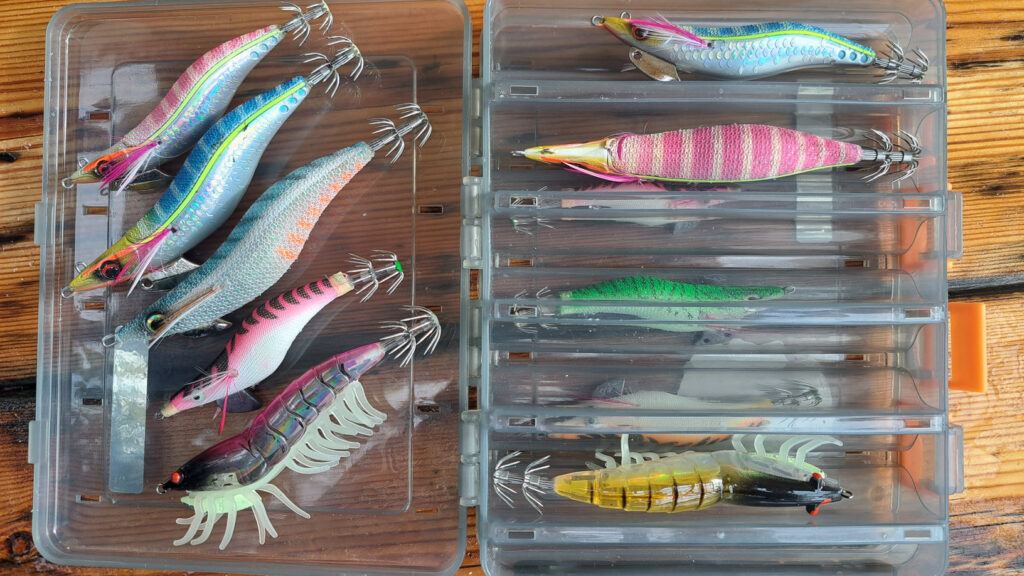
As a rough guideline for the sinking speed of egi jigs:
- Size 2.5 usually sinks at around 6–7 seconds per meter
- Size 3.0 sinks at roughly 4–5 seconds per meter
- Size 3.5 is typically faster, around 3–3.5 seconds per meter
These numbers are averages, not rules. Different manufacturers rate their squid jigs differently, and real sink speed changes with current, line angle, and even how wet or worn the cloth is. That’s why I always count my sink time on the water instead of trusting the size printed on the box.
Knots and clips: I prefer a simple loop knot for better movement. If I use a clip, it’s a small one, and I still check it constantly. Squid jigs are expensive enough already. I don’t want to lose them to laziness. A smooth drag also matters more than people expect with squid, because you’re often just keeping steady pressure while the tentacles do their thing, and that’s exactly why I’m picky about the best saltwater spinning reels for this style of fishing.
Squid Fishing: My Honest Takeaways
Squid fishing got better for me the moment I accepted that it’s not about “doing more.” It’s about doing less, but doing it properly. I catch more squid now with fewer casts, because each cast is actually fished with intention: a counted sink, two controlled lifts, a pause that feels almost too long, and steady pressure when something loads up.
I also stopped obsessing over having the perfect squid jig collection. I’d rather know exactly how two or three squid jigs behave in different depths than carry ten and fish them all wrong. The same goes for spots: a good harbor wall with the right depth and light edge beats a “scenic” spot with no structure every time. Squid are not romantic. They like food, cover, and predictable lanes.
And I’ve learned to treat squid nights like weather windows. If the wind is too strong, the water is a mess, or the footing is sketchy, I don’t force it. I’d rather make a coffee back at the van and try again tomorrow than slide on slime at midnight for a maybe. Squid fishing is supposed to be calm, and for me it only stays calm when I choose the right place, slow down, and don’t let stubbornness decide the session.