I still remember one evening when the light was already fading and the fish were laid out on a small cutting board by the water. My hands smelled of salt and blood, the knife was duller than it should have been, and I was already thinking about dinner. I packed the fish on ice, told myself I would deal with them tomorrow, and felt strangely relaxed about it. Two days later I learned that “tomorrow” is not a clear plan when it comes to fish.
What finally stuck with me is that keeping saltwater fish on ice is not complicated, but it is unforgiving. Small details decide whether a fish stays clean and firm or turns soft and sour. Once you have ruined a good catch by being careless for a few hours, you stop guessing and start paying attention.
The short answer before we go deeper
If a fresh saltwater fish is handled correctly from the first minute, you can usually keep it on ice for two to five days. Lean fish like seabass or bream often hold closer to three days. Oily species like mackerel or tuna cousins usually stay good for one to two days. Those numbers are not promises, they are upper limits under good conditions.
The reason this matters is simple. From shore, I do not always cook the fish the same day. Sometimes weather, travel or pure tiredness gets in the way. Knowing how long I realistically have before quality drops makes the difference between a calm evening meal and throwing fish away.
What “on ice” actually means in real life
For a long time, I thought ice was ice. As long as the fish felt cold, I assumed I was doing things right. What I missed is that temperature, water and time all interact. Ice cools, but melting ice also creates problems if you let fish sit in it.
What changed everything for me was aiming for a stable temperature just above freezing and keeping the fish dry. Around zero to two degrees Celsius slows bacterial growth without freezing the flesh. Once fish sit in icy water, texture suffers fast and smells develop earlier.
This is also where I stopped improvising and started being deliberate with storage. A proper setup does not need to be fancy, but it needs to follow a few clear rules.
How I store fresh saltwater fish on ice
Before listing steps, it helps to understand the goal. I want the fish cold, clean, dry, and protected from air as much as possible. Every decision serves one of those points.
- Bleed the fish immediately after the catch if the species allows it and rinse away excess blood within the first ten minutes.
- Gut the fish as soon as practical, ideally within one hour, and wipe the cavity clean with paper towels.
- Lay a base layer of ice in a cooler, place the fish on top, and cover lightly with more ice.
- Keep the drain open so meltwater runs out instead of pooling around the fish.
- Replenish ice once or twice per day, especially if daytime temperatures are above fifteen degrees Celsius.
When I follow this routine, fish stay firm and neutral smelling much longer. When I skip steps, especially draining water or gutting early, quality drops fast. There is no middle ground here.
How long different saltwater fish really last on ice
Not all fish behave the same. Fat content, skin thickness and gut bacteria all play a role. Over the years, I started adjusting my expectations depending on what I caught.
- Lean white fish such as seabass, gilt head bream or pollack usually stay good for two to three days on ice. On day four, the flesh often still looks fine, but smell and texture start to change.
- Medium fat fish like sea bass sized bluefish or smaller amberjack are best within one to two days. After that, the belly area softens quickly.
- Oily fish such as mackerel, bonito or little tunny should ideally be eaten within twenty four hours. Even on ice, their fat oxidizes fast and creates strong smells.
Knowing this also influences what I target when I plan meals. If I want flexibility, I prefer species that tolerate storage better. That decision often matters more than lure choice, even when browsing guides like this one on “Best Saltwater Fishing Lures.”
Signs I look for before cooking stored fish
I never rely on dates alone. Every time I take a fish out of ice, I check it the same way. These checks take less than a minute and have saved me from bad meals more than once.
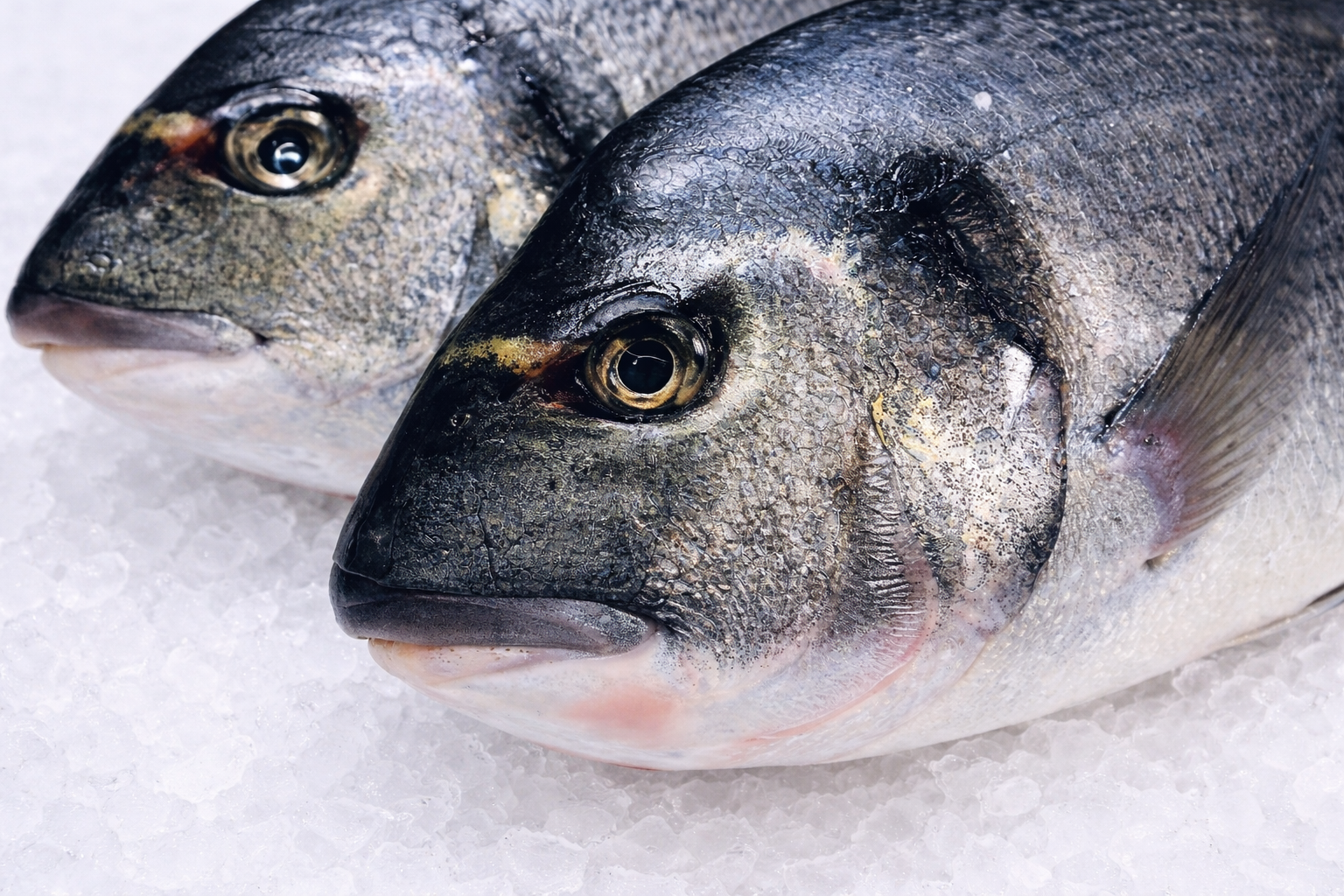
- Eyes that are clear and slightly convex, not sunken or cloudy
- Gills that are dark red to pink, not brown or grey
- Flesh that springs back when pressed with a finger
- A clean sea smell, never sour, sweet, or ammonia like
If one of these signals is clearly off, I stop right there. Cooking does not fix spoiled fish. Ignoring warning signs only leads to disappointment or worse.
Common mistakes I made and why they matter
My biggest mistake was leaving fish ungutted overnight. Gut bacteria spread fast and start breaking down flesh from the inside. Another mistake was stacking fish directly in ice slurry, which washed flavor out and damaged texture.
I also underestimated how fast ice melts in warm weather. On days above twenty degrees Celsius, a cooler can lose most of its ice in twelve hours. Without checking, fish end up sitting at four or five degrees, which accelerates spoilage. Each of these errors seemed small at the time. Combined, they easily cut storage life in half.
Food safety and when to stop pushing it
Fish is one of the most sensitive proteins we handle. Even if a fish does not smell terrible, bacteria levels can already be high. That is why I never stretch storage just to avoid waste. As a rule, if fish has been on ice for more than three days, I cook it thoroughly to an internal temperature of at least sixty three degrees Celsius.
Raw or lightly cooked dishes are reserved for fish eaten the same day. If ice ran out for several hours, if the fish sat in water, or if I am unsure about handling, I simply do not eat it. Walking away is part of respecting the catch.
What I would tell a friend after dinner
Keeping fresh saltwater fish on ice is less about clever tricks and more about discipline. Cold, clean, dry, and timely handling are what buys you days, not luck. Ice slows things down, but it does not pause time.
What works reliably for me is treating storage as part of the fishing process, not an afterthought. When I do that, meals stay simple, flavors stay clean, and I never have to wonder whether a fish is still good. That peace of mind is worth more than squeezing out one extra day.