Cuttlefish are one of the most distinctive and misunderstood coastal species in European waters. For shore anglers, they matter because they regularly move into very shallow zones and behave in ways that are visible but easy to misread. Many people think of cuttlefish as deep-water or purely nocturnal animals, even though they spend long periods close to land.
This species profile explains cuttlefish through their distribution, habitat, behavior, and seasonal presence across Europe. The first time I watched a cuttlefish hover motionless over pale sand, changing color without moving an inch, it completely changed how I looked at “inactive” water.
Species Overview (Identification & Key Facts)
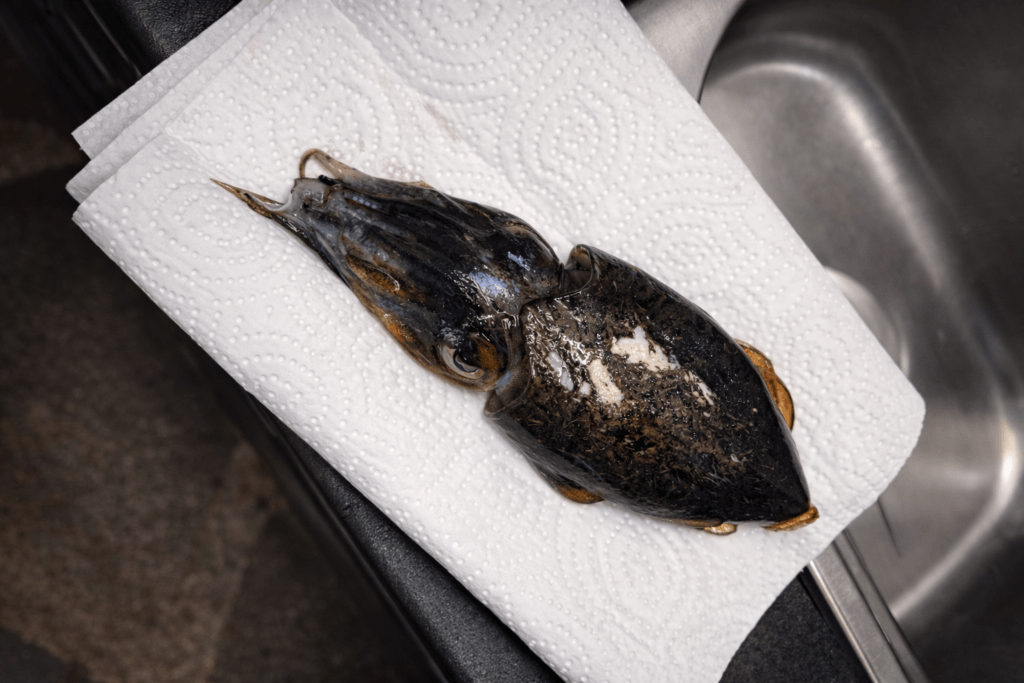
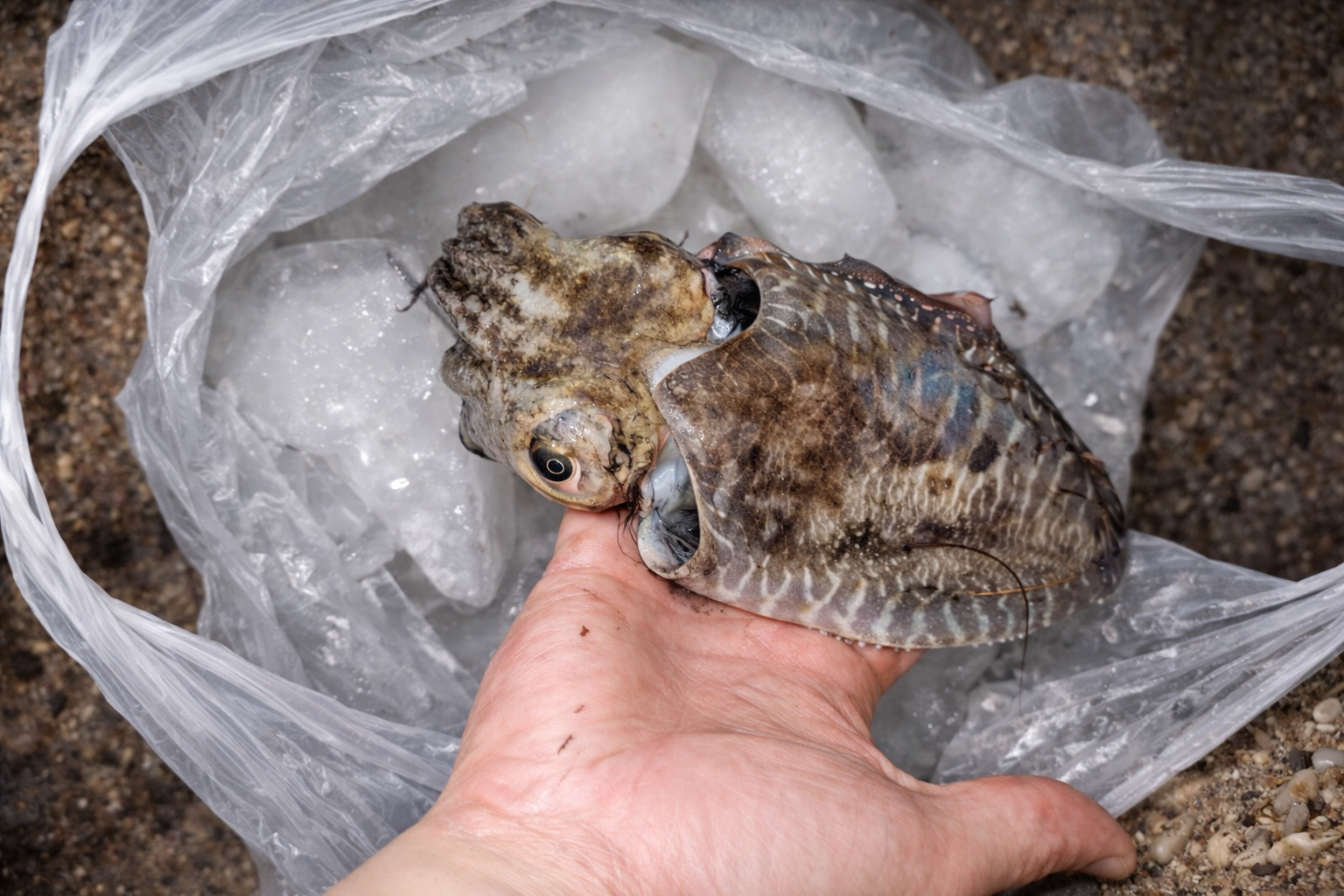
In Europe, the term cuttlefish most commonly refers to the common cuttlefish (Sepia officinalis). It has a broad, flattened body, a large head with well-developed eyes, and a continuous fin running along the sides of the mantle. Unlike squid, cuttlefish appear almost oval when viewed from above and move with slow, deliberate fin waves.
Most European cuttlefish reach mantle lengths of 15 to 30 cm, with total lengths often around 30 to 40 cm. Larger individuals are possible, especially in the Atlantic, but are uncommon near shore. Cuttlefish grow fast and have a short lifespan, typically one to two years. Juveniles are smaller, more translucent, and rely heavily on camouflage, while adults develop stronger color contrast and more defined skin texture. The internal cuttlebone, used for buoyancy control, is a defining anatomical feature.
European Distribution: Where You Encounter This Species the Most
Cuttlefish are widely distributed across European coastal waters. They are common along the Atlantic coasts of Portugal, Spain, France, the UK, and Ireland, and occur seasonally as far north as southern Norway. In the Mediterranean, they are present throughout Italy, Croatia, Greece, Turkey, and the western basin.
Atlantic populations show strong seasonal migration, with adults moving offshore into deeper water during colder months and returning inshore to spawn. Mediterranean cuttlefish tend to remain closer to land year-round due to more stable temperatures. Cuttlefish are primarily coastal and shallow-water animals, most often encountered from just a few centimeters of water down to around 50 meters. Water temperature strongly influences presence, with sustained activity usually above 10–12 °C.
Habitat & Behavior
Cuttlefish favor soft-bottom habitats where camouflage is effective. Sandy and muddy seabeds, seagrass meadows, and gently sloping bays are especially important. They often sit directly on the bottom, partially buried, relying on color and texture changes rather than movement.
Their diet consists mainly of crustaceans, small fish, and other cephalopods. Cuttlefish are visual hunters with excellent depth perception and use sudden bursts of movement to capture prey. Light plays a major role in behavior, with cuttlefish adjusting color and posture based on brightness and background. During the day they often remain still and cryptic, becoming more mobile during low-light periods.
Seasonally, behavior shifts dramatically during spawning. Adults move into very shallow water to lay eggs on suitable structure before dying shortly afterward, completing their short life cycle.
Angler Relevance & Shore Encounters
Shore anglers encounter cuttlefish because the species deliberately moves close to land during key life stages. Shallow bays, harbors, and gently sloping beaches provide ideal spawning and hunting grounds. Their ability to remain motionless makes them easy to overlook even when they are nearby.
Human-made structures influence distribution by offering egg-laying surfaces and shelter from current. Harbors and breakwaters often replicate natural spawning habitat. Many anglers assume cuttlefish are absent when nothing moves, but the animals are often present and simply relying on camouflage rather than activity.
Seasonal Presence & Environmental Patterns
Across Europe, cuttlefish presence near shore peaks from late winter through spring. In Atlantic waters, this timing is tightly linked to spawning migrations, with adults entering very shallow water to reproduce. In the Mediterranean, seasonal presence is broader, but inshore density still increases during cooler months.
After spawning, adult numbers drop sharply due to natural mortality. Juveniles appear later in the season and gradually spread across coastal habitats. Stable temperatures, low swell, and calm conditions act as biological triggers for inshore movement rather than fixed calendar dates.
Culinary & Cultural Importance
Cuttlefish hold strong cultural importance in many European coastal regions. They are a traditional seafood species in Mediterranean cuisine and appear regularly in local markets. Medium-sized individuals are generally considered best for eating, while very large specimens can be tougher. Cuttlefish ink has also played a historical role in cooking and art.
Regulations, Size Limits & Sustainability
Regulations for cuttlefish vary widely across Europe. Some regions apply seasonal protections during spawning, while others have few formal restrictions. Because cuttlefish reproduce once and then die, heavy pressure during spawning periods can affect local populations quickly. Checking local rules and avoiding disturbance during egg-laying periods is essential.
Safety Considerations
Cuttlefish are often encountered in very shallow, enclosed areas. Muddy bottoms, slippery rocks, and harbor edges can create unstable footing. Low-light conditions increase risk, especially where boat traffic is present. Awareness of surroundings matters more than proximity to the animal.
Common Misconceptions About This Species
A common misconception is that cuttlefish are inactive or slow, when they are capable of extremely fast movement. Another is that they only live in deep water, despite frequent use of knee-deep zones.
Many anglers believe cuttlefish only appear at night, ignoring their daytime presence and reliance on camouflage. Others assume they disappear randomly, when their absence often reflects the end of the spawning cycle. Finally, still water is often considered empty water, even though it is ideal cuttlefish habitat.
Cuttlefish (Sepia officinalis): Final Thoughts
Cuttlefish are defined by camouflage, short life cycles, and strong seasonal movement. They are most commonly encountered along shallow European coastlines with soft bottoms and calm conditions. Spawning behavior explains much of their sudden appearance and disappearance. Watching a cuttlefish fade into the seabed is a reminder that visibility and presence are not the same thing.
If you want to go a step deeper beyond the species itself, I’ve put together a few shore-based tackle overviews. They give you solid background on the reels, rods, and lures many people rely on from rocks, beaches, breakwaters, and harbor walls: best saltwater spinning reels, best saltwater fishing rods, and best saltwater lures.