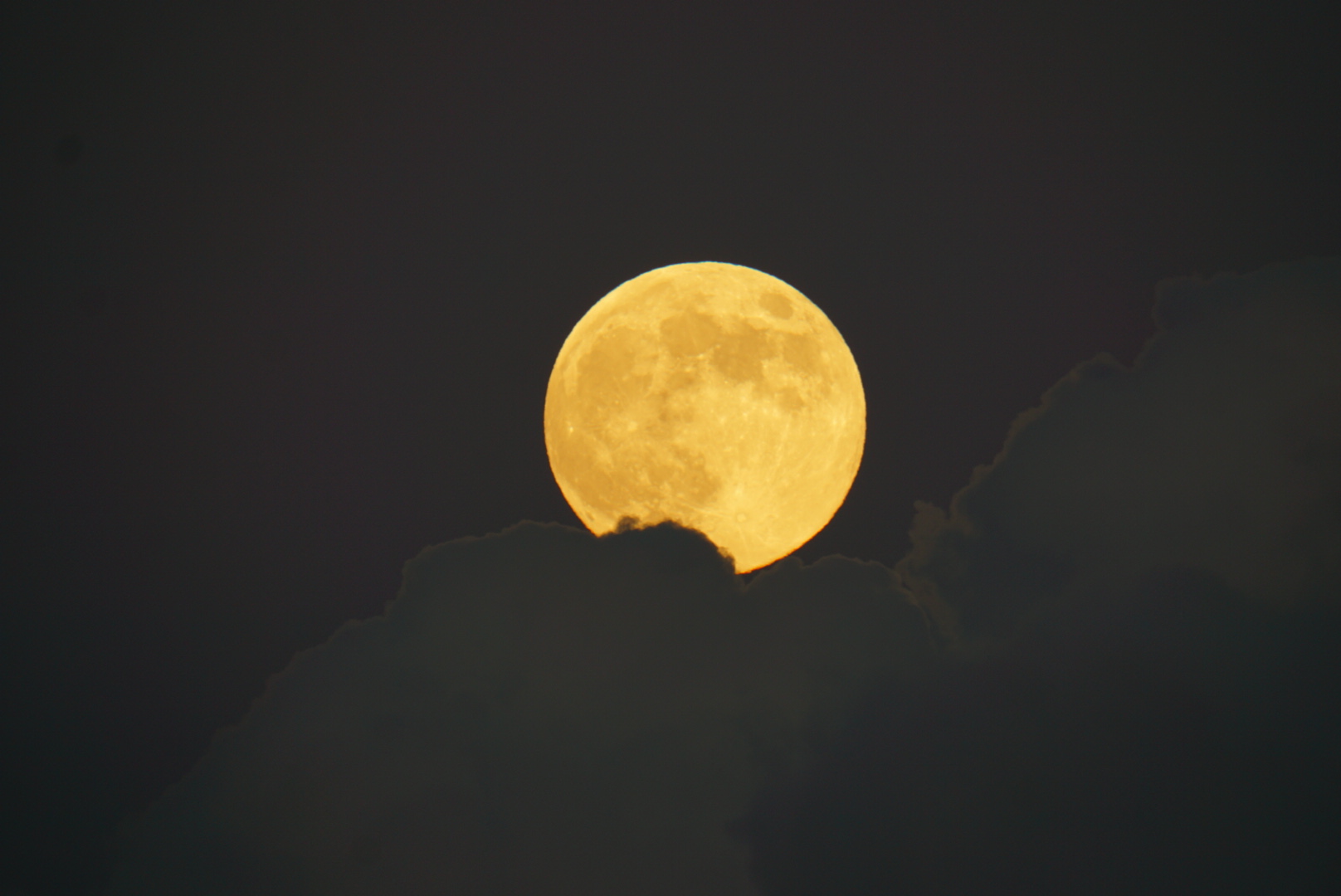
I was sitting at the van table with a mug of coffee and my phone, looking at the tide and moon app. Two days earlier, same place, same time, same 21g hardbait, the sandbar in front of the house had bait flickering all over it and I hooked a seabass. Now the sea looked sleepy. The only real change on the screen was the calendar: we were moving away from the new moon, and the tide range was shrinking.
That was the moment I stopped treating the moon as “old fishermen’s talk” and started using it to pick which days to fish, instead of just going whenever I felt like it. This is what I’ve learned since then about the best moon phase for fishing from the shore, and how the whole moon–tide–Solunar story looks when you actually stand on rocks and beaches.
Fishing Moon Phases in Simple Terms (for a Shore Angler)
For years my system was pretty basic: if wind and swell looked okay and I had time, I went fishing. I didn’t care about any fishing moon phase, I barely checked tides, and I just hoped something would be out there. Sometimes it worked. Quite often it didn’t.
When I finally started paying attention, I kept it simple. I look at three things:
- which moon phase we’re in (new, quarters, full),
- how big the tide range is (how many centimetres between low and high),
- and what the wind is doing.
Over a lot of sessions from Portugal to Greece, a pattern showed up. Around the new moon, the difference between low and high tide is often larger, so there is more water moving over sandbars, reef edges and harbor mouths, even in daylight. Around the full moon, the tide range can also be big, but in very clear water the fish sometimes feel a bit more careful and a bit deeper. And around the quarter moons, the range is smaller, currents are softer and the sea can feel a bit “slow”, but those days are great for learning the structure of a spot.
How the Moon phases affect fishing
If you strip away all the theory, the moon affects us in one main way: it drives the tides. The tides then move bait. Moving bait brings predators into places where I can reach them with a cast, and that’s where saltwater fishing rods with good sensitivity and control really matter.
On coasts with noticeable tides, a day with 80–120 cm difference between low and high simply feels different from a day with 20–40 cm. You get more current washing over sandbars, reef edges and the mouths of small bays. Baitfish move along these lines of moving water, and that’s where I want my jigs and minnows to run.
That’s also why I use the moon phase to choose the day, and then use tides and wind to choose the time of day. Often that means an early morning or late afternoon session on the first couple of hours of a rising tide, when the water starts to wake up and push life onto the structure.
New Moon Fishing: Stronger Movement and More Predictable Windows
When people ask me “what moon phase is best for fishing success?”, the new moon is the one I keep coming back to. Not because of superstition, but because of what the water usually does on those days.
Around the new moon, the tide range on many coasts is simply bigger. That extra movement pushes water across sandbars, reef edges, channels and the mouths of small bays in a stronger, more noticeable way. Baitfish respond to this. They gather where the flow is, and predators follow. Whether I’m casting lures, I see more signs of life on new moon days: small bait schools shifting with the current, occasional splashes, birds working, or that general feeling that the sea isn’t asleep.
Another reason I like the new moon is predictability. On many spots I fish, the first part of a rising tide around the new moon is when things wake up. The water starts to climb, the current pushes into the structure, and I have a much clearer idea of when it’s worth being there. I still miss it plenty of times, but the pattern is easier to read than on slower quarter-moon days.
New moon days don’t guarantee fish, but they give me more building blocks: stronger movement, clearer “this might happen now” windows, and more places where fish actually move into shore range. That’s why, when I plan my month, the new moon and the days around it are usually my A-days – no matter whether I’m fishing lures, natural bait, or a simple float rig close to the rocks.
Full Moon Fishing: Good fishing days, but Not Magic
One question I hear a lot is: “is full moon good for fishing trips?” There are a lot of strong opinions about this. Mine is fairly boring: Full moon can be good for fishing success, but it is not a guarantee.
During the day, on clear coasts, I often still get good tide movement around full moon. The problem is that in very clear water the fish sometimes hold a bit deeper and behave more carefully, especially in spots that get a lot of pressure. So instead of expecting fireworks, I make a few quiet adjustments.
I often choose areas with slightly more depth in front of me, maybe 4–10 m instead of the ultra-shallow 1–3 m flats. I pick more natural lure patterns – sardine and anchovy imitations, brown-backed minnows, translucent soft plastics – and I’m not afraid to scale down to 20–25 g jigs and 10–12 cm minnows if the fish seem shy. I still treat those days as good fishing days, especially if the tide range is decent and the wind plays along, but I don’t go just because “the moon is full”.
For other fishing styles: many locals I’ve met still love combining full moon and fishing. They know their spots, they sit it out and let the fish come to them. For active spinning, full moon is my second choice, not my religion.
Quarter Moon Fishing: Slower Water, Better Learning
The quarter moons (first and last quarter) are often the forgotten phases in all those “best days to fish” tables. From the shore, they have their own role.
With a smaller tide range, there is usually less dramatic current. The sea can feel slower, with fewer obvious rips and lines. That doesn’t scream “fish everywhere”, but it does make it easier to read the bottom. On those days I often fish a bit lighter just to feel small changes in depth, little channels in the sand, edges of reef.
These are my “learning days”: not always the best for planning fish for dinner, but very good for understanding how a spot is shaped and maybe catching dinner. When the next new moon comes, I already know where the drop-offs are, where the sand meets rock, where the current bites first when the tide starts to move. That pays off later, especially when I’m back to catch bluefish and need to react fast the moment they push bait along those exact edges.
How to find the best days to fish
To keep all this usable, I use a very simple system in my calendar. I don’t care about every tiny detail. I just want to know which days are worth bending my work schedule around.
When I look at a month, I mark:
- A-days around the new moon – two days before, the day itself, and two days after. These are my top priority days for shore spinning if wind and swell also look okay.
- B-days around the full moon – roughly three or four days before and after. I still fish them seriously, but with slightly more “technical” expectations.
- C-days around the quarter moons – good days for learning new spots and trying things, but I don’t force a session if the sea looks lifeless.
The moon phase tells me which days are A, B or C. After that, tides and wind decide when I’m actually on the rocks. On A- and B-days I look for at least 50–60 cm of movement between low and high tide and try to be there for the first couple of hours of the rising or falling tide, depending on the spot. On beaches I like a light onshore breeze pushing bait in; on steeper rocks I often prefer crosswind or a slight offshore so I can cast and work lures safely.
Once you get used to this, it becomes almost automatic: glance at the moon phase, check the tide range, check the wind, and suddenly “random sessions” turn into planned windows.
Best moon phase for fishing: FAQ
Is a full moon good for fishing trips?
Yes, full moon can be good for fishing trips. From the shore, full moon days with decent tide range and reasonable wind are worth fishing, especially if you target slightly deeper water and use more natural-looking lures. I just don’t treat the full moon as automatic magic. It’s another tool, not a guarantee.
How does the moon affect fishing?
The moon affects fishing mainly through its control of the tides. Stronger tide ranges around new and full moon usually create more water movement, which moves bait and can switch predators on. As a shore angler, I use moon phase to pick better days, then fine-tune my plan with tide, wind and sometimes Solunar times.
What moon phase is best for fishing?
The best moon phase for fishing is the new moon, plus the two days before and after it. The period around full moon is a close second if conditions are right, and the quarter moons are useful for learning spots and putting in slower, more technical time.
Solunar Fishing: Theory vs. Shore Reality
At some point, if you dig into moon fishing, you stumble into the world of Solunar tables and “best days to fish” apps. I’ll be honest: I see them as an interesting extra, but not something to build my whole fishing plan on.
In theory, Solunar fishing says that fish (and other animals) have main activity windows based on the position of the moon and sun. From those positions, people calculate so-called Major Times (longer activity phases) and Minor Times (shorter ones). The idea is that your fishing will be best when moon phase, a Major Time and good weather all line up.
On paper that sounds perfect: you open an app, it tells you “good fishing days”, you show up, fish feed. In reality, from a rock ledge in Portugal or a harbor wall in Nafplio, it looks a bit different.
I’ve had plenty of Major Times where the tide barely moved and everything felt dead. I’ve had Minor Times with wind blowing against the current, turning the surface into a mess that was hard to fish. And I’ve had short, unspectacular Solunar windows that happened to land on a strong rising tide with a nice breeze from the right direction, and those were the times the spot suddenly woke up.
After a few years of testing this on the road, my conclusion is simple: Solunar helps a little, but nowhere near as much as moon phase plus tides plus wind.
So these days I use it like this: moon phase decides which days I prioritise in the calendar. Tides and wind decide what time of day I go and where I stand. If a Solunar Major Time sits nicely inside a window that already looks good, I treat it as a small bonus and fish that period with extra focus. But I don’t stay home because an app shows “poor”, and I don’t rush out just because it shows “excellent”.
Best moon phase for fishing: Final thoughts
In the end, the moon is just a way to stack the odds a little in our favour. New moon days usually give me the strongest daytime movement and the most predictable fishing, full moon can still be good with a calmer approach, and the quarter moons are perfect for learning a spot. Combine the phase with tide and wind, stay safe on the rocks, and you’ll spend far more of your time casting into water that actually has life in it.
But whenever you have time and feel like going, just go fishing, no matter what the moon phase says. This is supposed to be fun, and with the right method for the conditions in front of you, there is always a chance to catch fish in any phase of the moon.