The Greater Weever is one of the most well-known yet misunderstood coastal fish in Europe. For shore anglers, it matters less because of its size or sporting value and more because of where and how it lives. It is common on popular beaches and shallow sandy areas, often right where people wade or fish.
This species profile explains the Greater Weever through its distribution, habitat, behavior, and seasonal presence across Europe. I learned early on that calm, shallow water is not always harmless water, especially when this fish is around.
Species Overview (Identification & Key Facts)
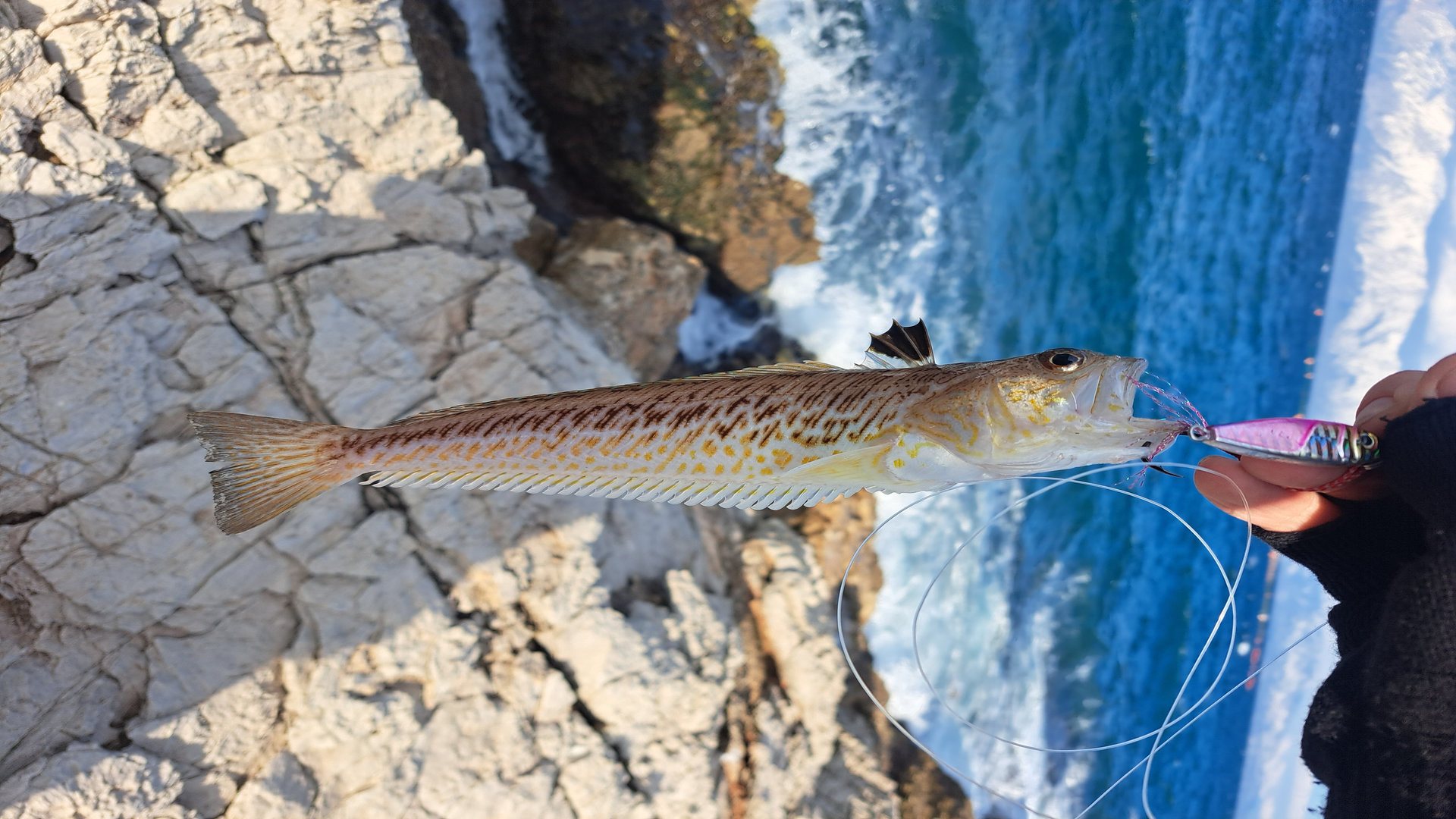
The Greater Weever (Trachinus draco) has a long, laterally compressed body with a steep, angular head and an upward-facing mouth. Its coloring is sandy to yellowish with darker vertical bands, making it extremely well camouflaged on the seabed. The most distinctive feature is the row of venomous spines on the first dorsal fin and on the gill covers.
Most Greater Weevers measure between 25 and 40 cm in length. Larger individuals can exceed 50 cm, making them significantly bigger than the closely related lesser weever. The species grows at a moderate pace and can live for more than 10 years. Juveniles resemble adults closely but are smaller and often remain in very shallow water. Adults retain the same burying behavior but occupy slightly deeper zones as they mature.
European Distribution: Where You Encounter This Species the Most
The Greater Weever is widely distributed across European waters. It is common along the Atlantic coasts of Portugal, Spain, France, the UK, and Ireland, and ranges north into the North Sea and parts of southern Norway. In the Mediterranean, it is present throughout Italy, Croatia, Greece, Turkey, and the western basin.
Atlantic populations tend to show stronger seasonal movement, spreading into shallow coastal areas during warmer months and shifting deeper in winter. Mediterranean populations are more stable due to milder temperatures.
The species is strongly inshore-oriented and is most often found from the surf zone down to about 150 meters, with shore encounters typically occurring in the upper 1 to 20 meters. Water temperature influences activity, with presence near shore increasing once temperatures rise above roughly 12 °C.
Habitat & Behavior
Greater Weevers are specialists of sandy and muddy seabeds. They favor open bottoms with little structure, where they can bury themselves completely except for their eyes and dorsal spines. This behavior provides both camouflage and protection.
Their diet consists mainly of small fish, shrimp, and other bottom-dwelling organisms. Because they strike upward from the seabed, anglers sometimes hook them unintentionally when working the best saltwater lures close to the bottom over sandy ground.
Greater Weevers are ambush predators, striking upward when prey passes overhead. They rely less on light than many visual hunters, which allows them to remain effective even in turbid or disturbed water. Activity is mainly diurnal, with reduced movement at night.
Seasonally, behavior shifts with temperature. Warmer water leads to increased shallow-water presence, while colder periods push fish into deeper, more stable zones.
Angler Relevance & Shore Encounters
Shore anglers encounter the Greater Weever because it occupies exactly the same shallow, sandy areas people prefer to access. When fishing these areas with light spinning gear and the best saltwater spinning reels, the species is sometimes caught accidentally while targeting other coastal fish.
Gently sloping beaches, sandy bays, and surf zones all provide ideal conditions. The fish does not avoid human activity and often remains buried even when disturbed.
Environmental calm plays a major role. Light swell and warm, settled weather encourage Greater Weevers to stay shallow. Many anglers assume the species is rare because it is rarely seen, but it is often present and simply hidden beneath the sand.
Seasonal Presence & Environmental Patterns
Across Europe, Greater Weever encounters peak from late spring through early autumn. Understanding how seasonal activity and daily conditions influence coastal species is part of the broader patterns explained in my guide to the best times to go fishing.
In Atlantic waters, this seasonal pattern is pronounced, with shallow-water presence dropping sharply during colder months. In the Mediterranean, the species remains active for longer periods but still shows increased inshore density in warmer seasons.
Spawning typically occurs in summer, with eggs and larvae drifting in open water before settling. Temperature stability and calm conditions act as biological triggers for shallow-water occupation rather than specific dates. Sudden drops in temperature or strong storms usually push fish deeper.
Culinary & Cultural Importance
The Greater Weever has limited culinary importance despite having firm, edible flesh. Its venomous spines make handling risky, and it is often avoided in markets. In some coastal regions, it is known more through beach warnings and local stories than through cuisine.
Regulations, Size Limits & Sustainability
Regulations for the Greater Weever vary by country and are often minimal due to its low commercial value. General coastal fishing rules may still apply. Because the species is widespread and not heavily targeted, populations are generally stable, but local pressure can still occur. Checking local regulations remains essential.
Safety Considerations
Safety is a central concern with the Greater Weever. The dorsal and gill-cover spines deliver venom that causes intense pain. Shallow water, warm seasons, and sandy access points increase the likelihood of accidental contact. Careful footing, especially when wading or handling fish, is more important than awareness of the species itself.
Common Misconceptions About This Species
A common misconception is that Greater Weevers actively attack people, when stings are almost always defensive. Another is that they only occur in deep water, despite frequent presence in knee-deep zones.
Many anglers confuse the Greater Weever with the smaller lesser weever, underestimating its size and venom strength. Others assume they disappear in winter, rather than shifting deeper. Finally, calm, clear beaches are often seen as safe, even though they are prime weever habitat.
Greater Weever (Trachinus draco): Final Thoughts
The Greater Weever is defined by camouflage, venomous defense, and a strong preference for sandy coastal habitats. It is most commonly encountered along European beaches during warm, calm periods. Seasonal movement explains both its visibility and apparent absence. For me, the Greater Weever is a reminder that understanding the ground under your feet matters as much as the water in front of you.